Understanding AI Image Generation Technology
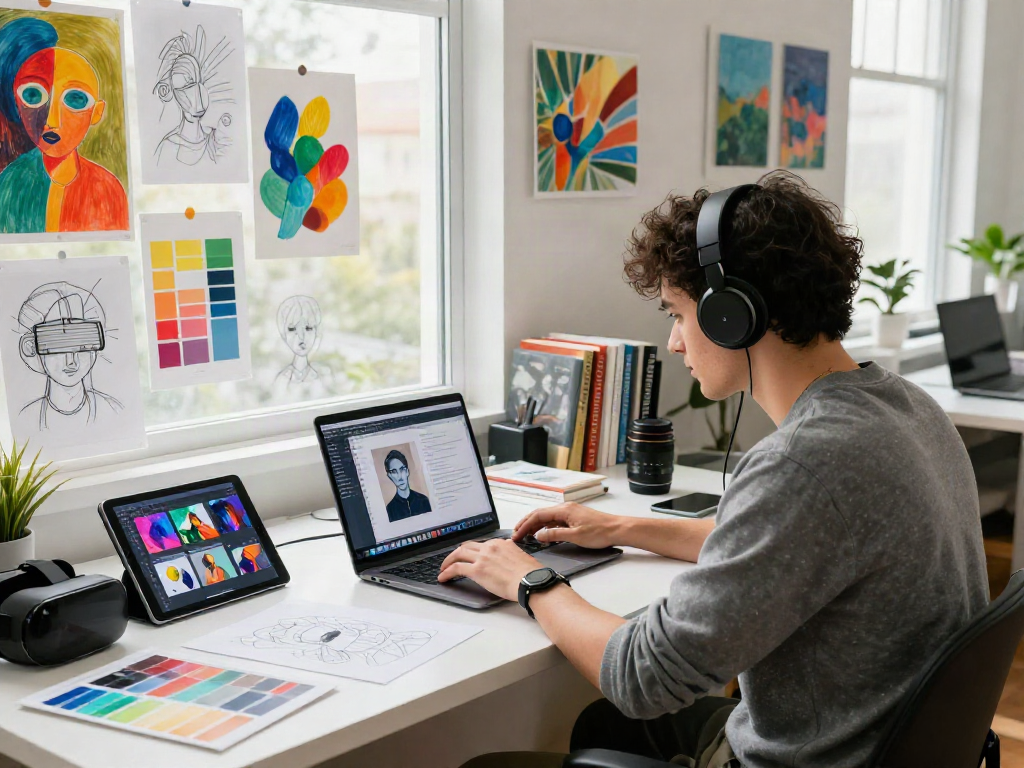
As technology continues to evolve, the world of image creation is undergoing transformation like never before. AI image generators are at the forefront of this evolution, revolutionizing the way creatives approach visual art and design. These powerful tools leverage artificial intelligence to generate images based on various input parameters, enabling artists, designers, and marketers to produce high-quality visuals efficiently. In this comprehensive guide, we will explore the intricacies of AI image generation technology, its benefits for creatives, and best practices for achieving stunning results.
When exploring options, ai image generator from image provides comprehensive insights into how this technology can be utilized effectively.
What is an AI Image Generator?
An AI image generator is a software tool that uses machine learning algorithms to create images based on specific inputs. These inputs can range from text descriptions, sketches, or existing images that the system uses as a reference. The core idea is to allow users to produce unique and high-quality images without the need for advanced graphic design skills. Popular examples include tools like DALL-E, DeepArt, and Artbreeder, each offering unique features and capabilities tailored to different creative needs.
How AI Image Generators Work
AI image generators typically operate through a process known as neural networks, specifically convolutional neural networks (CNNs), which analyze the input data and learn patterns within it. For instance, when given a text description, the AI interprets the semantics of the text and employs trained models to render a corresponding visual representation. The technology involves extensive training on vast datasets, allowing the AI to understand nuances in style, color, and composition. During the generation phase, the user’s input is processed to create an original image that reflects the given instructions.
Common Misconceptions About AI Image Generation
Despite the growing popularity of AI image generators, several misconceptions persist. One of the most common beliefs is that these tools replace human creativity. In reality, AI serves as a collaborative partner, enhancing rather than diminishing creative expression. Another misconception is that AI-generated images lack originality. However, the capability of these tools to combine elements in novel ways often results in unique and unexpected outcomes that a human artist might not conceive alone.
Benefits of Using AI Image Generators for Creatives
Enhancing Creative Expression with Technology
Artists and designers can experiment with new styles and concepts without geographical or material constraints. AI image generators can facilitate this creative exploration, enabling users to produce variations of their ideas quickly. By providing instant feedback and options, these tools can help refine and enhance creative vision, allowing artists to push their boundaries.
Time-Saving Techniques for Artists and Designers
One of the primary advantages of AI image generators is their ability to save time. Instead of spending hours or days sketching and rendering ideas, creatives can use these tools to generate high-quality images in a matter of minutes. This efficiency allows for quicker iterations, enabling designers to focus on refining their projects and meeting tight deadlines without compromising quality.
Maximizing Your Workflow with AI Tools
Integrating AI image generators into your workflow can significantly streamline the creative process. By automating repetitive tasks such as image resizing, color correction, or pattern generation, artists can devote more time to strategic thinking and creative ideation. Utilizing these tools can also foster collaboration within teams, as concepts can be shared and iterated upon faster, allowing for more dynamic project development.
Choosing the Right AI Image Generator
Key Features to Look for in AI Tools
When selecting an AI image generator, consider essential features such as user interface simplicity, customization options, and output quality. A tool that offers a user-friendly design will enable faster onboarding and learning. Additionally, look for customization capabilities, allowing users to adjust parameters for unique creations. Finally, ensure that the image resolution meets your needs, particularly for professional projects where detail is crucial.
Comparative Analysis of Leading AI Image Generators
Today’s market boasts several leading AI image generators, each with its strengths. For instance, DALL-E by OpenAI excels in creativity and conceptual image generation, while Midjourney focuses on stylistic elements and artistic output. Understanding the capabilities and limitations of each tool is vital for making an informed decision that aligns with your specific artistic needs.
Cost vs. Value: Finding the Right Fit
Cost is often a determining factor when choosing an AI image generator. While some platforms offer free trials or tiered subscription models based on usage, it's important to evaluate the value these tools provide. Consider the potential for increased productivity and the quality of the output when assessing the overall cost. Finding a balance between affordability and functionality is key to maximizing your investment in AI image generation technology.
Best Practices for Generating High-Quality Images
Techniques for Inputting Effective Prompts
The effectiveness of an AI image generator largely depends on the quality of the input prompts. Providing clear, descriptive, and detailed prompts can significantly improve the resulting images. For example, instead of simply asking for “a cat,” specify “a playful orange tabby cat sitting on a sunny windowsill.” This level of detail helps the AI understand your vision more accurately.
Post-Processing Images for Professional Results
Even after utilizing an AI image generator, the final output may require post-processing for professional use. Software like Adobe Photoshop or GIMP can be essential in enhancing resolution, correcting colors, and adding final touches. This step can ensure that the images align with your creative standards and the requirements of your audience or clients.
Case Studies: Successful Use of AI Image Generators
Many professionals have successfully integrated AI image generators into their workflows. For instance, fashion designers have used AI-generated visuals to brainstorm seasonal collections, while marketing teams have leveraged these tools to create sleek social media graphics. In advertising, brands have utilized AI to generate unique campaign images that resonate with their target audience, demonstrating the versatile applicability of this technology across industries.
Future Trends in AI Image Generation (2026 and Beyond)
Emerging Technologies in AI Image Creation
The landscape of AI image generation is rapidly evolving, with advancements in deep learning and AI technologies paving the way for even more sophisticated tools. Future generators may utilize multimodal learning, enabling them to generate images based on not only text but also audio or video inputs, broadening the scope of creative possibilities.
Predicted Changes in User Engagement and Interaction
As the use of AI image generators becomes commonplace, user engagement is expected to shift. Creatives will likely demand more intuitive interfaces and immediate results, placing pressure on developers to create user-friendly experiences. Additionally, we may see increased collaboration between humans and AI, with users participating more actively in the generation process.
The Role of AI in Shaping Art and Design Practices
AI systems are likely to reshape art and design practices significantly. Artists may transition from traditional methods to hybrid approaches, integrating AI-generated elements into their work. This shift could foster a new genre of art that highlights the collaborative nature of human-AI relationships, challenging traditional definitions of authorship and creativity.
What is the impact of AI on traditional art methods?
The rise of AI-generated art poses both challenges and opportunities for traditional artists. While some may view it as a threat to authenticity, others embrace it as a new medium. The integration of AI into traditional art forms can lead to innovative techniques that redefine the boundaries of creativity, inviting collaboration rather than competition.
How can businesses leverage AI-generated images for marketing?
Businesses can capitalize on AI-generated images to enhance their marketing strategies significantly. Custom visuals that are both unique and relevant to target audiences can improve engagement and conversion rates. By quickly producing tailored graphics for campaigns, brands can maintain a fresh and compelling online presence while reducing costs associated with traditional graphic design.
Are there ethical considerations with AI-generated art?
The advent of AI-generated art also brings ethical questions to the forefront. Issues surrounding copyright, originality, and the potential for misuse are paramount. As the technology evolves, it is essential to develop guidelines that ensure fair use and respect for artists’ rights, fostering a responsible approach to integrating AI into creative practices.