
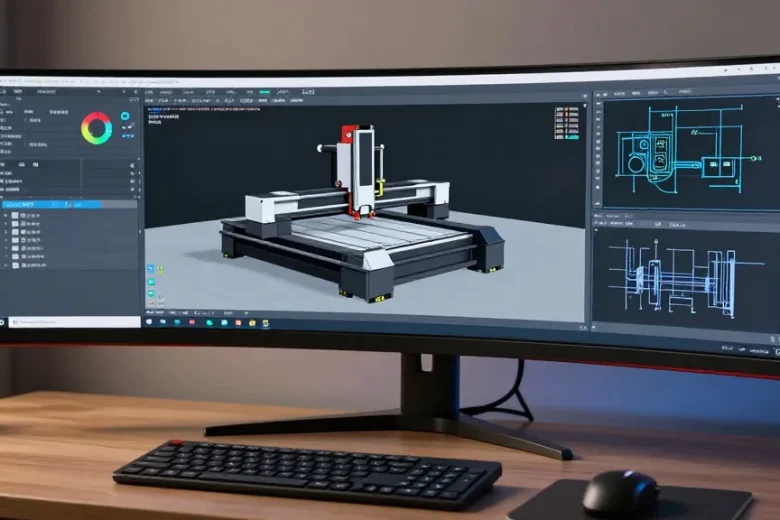
Understanding CNC Press Brake Technology
CNC (Computer Numerical Control) press brakes are vital machinery in the manufacturing and metal forming industries, transforming flat metal sheets into profiled parts with precision. They use advanced technology that enables automated bending processes, ensuring accuracy and efficiency in fabrication tasks. This article aims to provide an in-depth understanding of CNC press brakes, their applications, and the technologies that make them essential for modern manufacturing.
What is a CNC Press Brake?
A CNC press brake is a machine tool that uses a combination of a hydraulic press and a computer control system to bend and shape metal sheets. Unlike traditional mechanical press brakes that require manual operation, CNC press brakes automate the bending process, allowing for high precision and repeatability. This machine employs an electro-hydraulic proportional valve system to control the bending process, significantly enhancing the quality and efficiency of the output.
Key Components and Functionality
The critical components that define the functionality of CNC press brakes include the following:
- CNC Controller: The brain of the machine, managing all operations and providing user interfaces through advanced software like the ESA S630 system.
- Tooling: V-shaped die sets are commonly used for effective bending, while a punch is employed to create the bends. The choice of tooling affects the quality of the bend.
- Hydraulic System: An essential feature that powers the bending process using hydraulic fluid, providing consistent force and pressure during operations.
- Backgauge: This component positions the metal sheet accurately before bending, often controlled by CNC to ensure precision.
- Safety Features: These include light curtains and pressure-sensitive devices to protect operators during machine use.
Applications in Modern Manufacturing
CNC press brakes are instrumental in various industries such as automotive, aerospace, construction, and electronics. They are primarily used for creating components like brackets, frames, and enclosures from metals like steel, aluminum, and brass. The flexibility of CNC press brakes allows manufacturers to produce small batches with high precision, which is crucial in today’s dynamic market.
Why Choose the Best CNC Press Brake Factory?
When exploring options, best cnc press brake factory provides comprehensive insights into the manufacturing standards, innovative technologies, and the competitive landscape in which these machines operate.
Manufacturing Excellence and Quality Standards
Choosing a reputable CNC press brake factory means ensuring that the machines are built to high manufacturing standards. Factories that adhere to ISO certifications and utilize advanced technologies in their production processes deliver machines that guarantee reliability and performance. Moreover, on-site quality control during production plays a vital role in reducing defects and ensuring customer satisfaction.
Innovative Solutions for Diverse Needs
Every manufacturing process is unique, and leading press brake manufacturers offer tailored solutions depending on customer requirements. This includes optimizing machine configurations, adjusting tooling, or providing customized automation solutions to enhance productivity. The integration of technologies such as IoT sensors and real-time monitoring systems has significantly improved operational efficiencies.
Cost-Efficiency and Return on Investment
Investing in high-quality CNC press brakes can yield significant cost savings in the long run. The initial outlay is offset by reduced labor costs, less material waste, and faster turnaround times. Moreover, modern CNC machines are designed to consume less power, contributing to lower operational costs. Buyers should weigh the total cost of ownership over the lifetime of the equipment to make informed purchasing decisions.
Advanced Features of SC ShenChong CNC Press Brakes
ESA S630 CNC Controller Capabilities
The ESA S630 CNC controller is a pivotal component of SC ShenChong’s CNC press brakes, offering intuitive programming interfaces that enhance user experience. Featuring a 10-inch color touchscreen, it allows operators to visually manage the bending processes, providing data-rich feedback in real time. The software supports both data and graphic programming methods, catering to different operator preferences and making programming more accessible.
Mechanical Table Crowning Mechanism
The mechanical table crowning mechanism ensures that the bending table maintains its shape under pressure, which is crucial for achieving high-quality bends. This feature compensates for any deflections that occur while the machine operates, ensuring that the materials being worked on remain accurately positioned.
Safety Features and User Protection
Safety is paramount in machine operations, and SC ShenChong incorporates several features to protect operators. The presence of side guards and rear door protection minimizes the risk of accidents. Additionally, options such as light curtains provide advanced safety measures, contributing to a safer working environment in high-volume manufacturing settings.
Comparing Different Models of CNC Press Brakes
Understanding the differences between various models of CNC press brakes can assist manufacturers in selecting the right equipment for their operations.
WEK vs. WSK Series Overview
The WEK series represents traditional hydraulic press brakes that focus on reliability and performance, whereas the WSK series emphasizes energy efficiency through the use of servo motors. Manufacturers can choose between these series based on their operational needs and energy consumption goals.
Performance Metrics and Specifications
Performance metrics such as nominal pressure, bending length, and stroke length vary between models. For example, the WEK 100T/3200MM model operates at 1000 kN with a bending length of 3200 mm, while offering substantial open height for large components. This variability allows for tailoring performance to specific manufacturing needs.
Cost Comparison and Budget Planning
Pricing between different models also plays a significant role in decision-making. The WEK series, ranging from $20,000 to $45,000 per set, provides budget-friendly options without sacrificing quality. In contrast, specialized models like the servo hybrid press brakes may come at a premium but can improve operational efficiencies over time.
Integrating Automation in CNC Press Brakes
Robotic Press Brake Systems and Applications
As automation becomes increasingly integral to manufacturing, robotic press brake systems are gaining traction. These systems can operate in tandem with CNC press brakes, improving throughput and consistency. SC ShenChong’s offerings include end-to-end solutions where robotic arms execute repetitive tasks, enabling humans to focus on more complex functions.
Benefits of Automation in Metal Processing
Automating CNC press brakes yields several benefits: enhanced precision, reduced labor costs, higher throughput, and minimized human error. Automation allows production lines to run continuously, maximizing output while ensuring high quality, which is vital in today’s competitive landscape.
Future Trends in CNC Technology and Automation
The future of CNC technology points towards greater integration of AI and machine learning to predict maintenance needs, optimizations in workflow, and ensuring safety protocols are adhered to without constant human oversight. These advancements can lead to fully automated factories that increase production capabilities dramatically.
FAQs
What is the typical lead time for CNC press brake machines?
The lead time for CNC press brake machines can vary significantly depending on the model and customization options. Generally, manufacturers can expect a timeframe of 25-45 working days from order to delivery.
How do I choose the right CNC press brake for my needs?
Choosing the right CNC press brake involves evaluating your production requirements, material types, and anticipated volumes. Additionally, consulting with manufacturers can provide insights into the best solutions tailored for your specific situation.
What maintenance is required for CNC press brakes?
Regular maintenance includes monitoring hydraulic fluid levels, checking for any mechanical wear, and ensuring all safety features are functional. Scheduled check-ups by qualified technicians can prevent downtime and prolong the life of the machine.